
A Day In The Life In A Dementia Community At A Care Home

Choosing a dementia care home is a big decision for families, and many ask 'what does a day in the life look like for residents with dementia?' In this blog, we will take you through what this typically looks like whilst providing insight to families.
A Calm & Reassuring Start To The Morning


Mornings in a dementia community at a care home begin gently, with a calm and unhurried rhythm that puts each resident at ease. There’s no rush to get up at a set time, instead, people are supported to wake naturally, following the routines they’ve been comfortable with throughout their lives. Care staff offer quiet, respectful assistance with washing, dressing and taking any morning medication. Simple reminders about the day, time and surroundings help residents feel more grounded and confident as they start their morning. With familiar faces nearby and a consistent routine in place, the atmosphere feels reassuring and steady, helping to ease anxiety and create a peaceful, positive beginning to the day.
Breakfast Time
Residents are supported to enjoy their meals in a way that suits them best, whether that’s sitting with others in a warm, welcoming dining space or having a quieter moment in their own room. Meals are carefully adapted to meet individual needs, from softer textures for easier swallowing to finger foods that help promote independence and confidence. The Alzheimer’s Society highlights that a positive mealtime experience can significantly improve a person’s health and wellbeing, showing that it’s not just about the food, but also the social and emotional experience around it. Staff are always nearby to offer support, paying close attention to both verbal and non-verbal communication and ensuring residents feel relaxed and never rushed while still encouraging them to eat well. This is especially important, as research from the British Nutrition Foundation shows that 27% of people with dementia in long-term care are malnourished, with a further 57% at risk, highlighting the importance of supportive and engaging mealtime environments.
Morning Activities

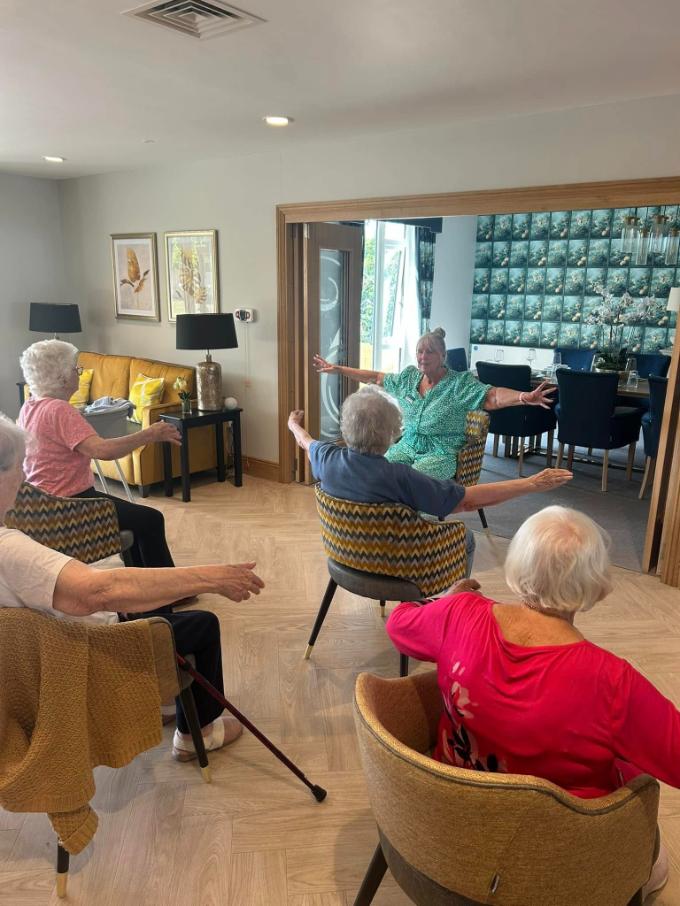
Morning activities in a dementia care home are thoughtfully planned to be meaningful, enjoyable and suited to each resident’s abilities. Taking part in simple, structured activities can help stimulate memory, maintain everyday skills. Whether it’s a sensory session, gentle chair-based exercise, arts and crafts, or reminiscing about past experiences, these moments are designed to feel familiar and comforting. In dementia care, the focus is never on getting things “right,” but on encouraging participation, boosting confidence and creating opportunities for connection. These activities also support emotional wellbeing, helping to reduce feelings of anxiety or restlessness, while giving residents a chance to express themselves in a relaxed and supportive environment.
Lunchtime & Nutritional Support
Lunch in a dementia care home is an important part of the day, bringing together good nutrition, routine and gentle social interaction where wanted. Meals are carefully prepared to be both appealing and easy to eat, helping residents feel comfortable and supported. Care staff may offer simple visual choices to help with decision-making, provide gentle prompts or assistance when needed and make sure residents stay well hydrated throughout the day. The dining environment is usually kept calm and free from distractions, creating a relaxed space where residents can focus on their food and enjoy the moment without feeling rushed or overwhelmed.
Resting Or Quiet Time
After lunch, many residents like to slow things down with a short nap or some quiet time to rest. Some may prefer to sit somewhere peaceful on their own e.g. in their room, or listen to calming music in a communal lounge, or spend time in a sensory room if the care home has one, where everything is designed to feel soothing and comforting. In dementia care, this balance between activity and rest is really important, because too much going on can sometimes feel overwhelming and lead to tiredness or agitation. These quieter moments give residents a chance to relax, feel safe and gently recharge before the rest of the day.
Personalised Afternoons
In the afternoon, residents are gently supported to relax, enjoy themselves and take part in activities at a calm, unhurried pace that suits them. Some may like to spend time in the garden, enjoying fresh air with a cup of tea and the sunshine (weather permitting). While others might prefer something quieter like doing easy puzzles, or playing familiar games. There may also be visits from entertainers or therapy animals, which often bring comfort moments of connection. Everything is flexible and based around each person’s mood and abilities on the day. Research from the NHS and Alzheimer’s Society shows that staying mentally and socially active through simple activities like conversation with staff or other residents, engaging with music and games can help support wellbeing and maintain thinking skills for people living with dementia.
Night Time Wind Down, Care & Support


As the day draws to a close in the care home, things are kept calm and gentle to help residents with dementia feel settled and comfortable before bed. This quiet time often includes familiar routines, soft lighting and peaceful activities that help everyone unwind and feel safe. Small personal comforts can make a big difference too, like a favourite blanket, music they enjoy or the lighting just the way they like it. These little touches help create a sense of warmth and familiarity, gently easing each person into a restful night.
Night-time care in a dementia community is focused on keeping residents safe and reassured while maintaining a calm and homely environment. Care continues throughout the night, with staff available to support toileting needs, offer gentle reassurance if someone wakes feeling confused and monitor overall health and wellbeing. For residents who experience sleep disturbances, which are common in dementia, staff provide calm, unhurried support to help settle them again without causing distress. A consistent routine also plays an important role, as it helps reduce anxiety and supports a sense of security, while still allowing flexibility to meet each person’s individual needs. Alongside this, the environment itself is designed to feel warm and familiar, with comfortable furnishings, personalised rooms filled with photos and belongings, safe outdoor spaces and clear signage to help with orientation. Together, this balance of routine, reassurance and a homely setting helps residents feel safe, respected, and as settled as possible throughout the night.
In Summary
A day in a dementia community is built around compassion, structure, personalised care and individuality. From morning routines to evening wind-downs, every aspect of care is designed to support residents in living as comfortably and meaningfully as possible.
For families, understanding this daily rhythm can provide reassurance that their loved ones are not only cared for but truly supported in a respectful and nurturing environment.
Dementia care is about more than meeting needs, it’s about preserving dignity, fostering connection and creating moments of joy every day. If you would like to find out more about life at Sandmere Care Home, or speak with our friendly team about dementia care and support, please get in touch as we’re always here to help and cannot wait to meet you.