
Recognising When It Might Be Time For Extra Support
Making decisions about the care of elderly parents is never easy for families. The journey often begins subtly while caring for ageing parents, small changes may go unnoticed at first, gradually becoming harder to ignore. Recognising the signs that your parents need additional care is an important first step toward ensuring their safety, health, and overall wellbeing.
These signs can include and encompass a lot of things, such difficulties with daily tasks, changes in personal hygiene, forgetfulness, or increased isolation. Emotional wellbeing is just as important as physical health. In fact, research across the UK shows that 44% of older people were identified as lonely or socially isolated at their first care assessment, highlighting how common this experience is and how deeply it can affect quality of life (NIHR, 2025).
Understanding these changes early allows families to navigate and explore options before a crisis occurs, creating a more positive and controlled transition into support.
How To Talk About Care Options With Parents


In the UK, conversations about care are often delayed not because families are unwilling, but because they perceive the discussion to be distressing, difficult and potentially damaging to relationships. This is one of the most sensitive challenges families face with elderly parents, as 74% of family members say they find it difficult to bring up care. It is natural for older adults to feel anxious about change, particularly when it involves their own independence. This is why talking to elderly parents about assisted living requires patience, empathy and reassurance.
Knowing how to speak to your parents about care begins with timing and tone. It is wise to choose a calm moment, and approach the conversation as a shared discussion rather than a decision already made. It can help to focus on benefits, such as safety, companionship and peace of mind, rather than limitations or what could be perceived as controlling what they do next.
Listening is just as important as speaking and you need to allow your parent to express their concerns and preferences too. By involving them in the decision-making process, you can reinforce their sense of control and dignity. These conversations may not happen all at once; instead, they often unfold over time.
The Emotional Reality Of Dealing With Elderly Parents


For many people, dealing with old aged parents brings a mix of emotions, as there is love and a desire to help, but also worry, stress and sometimes guilt. Providing support while balancing work and family responsibilities can feel overwhelming at times.
Studies in the UK have shown that families or carers who care for elderly people can often experience emotional strain, with many reporting loneliness and burnout (Alzheimer’s Society, 2025). This highlights the importance of seeking help to care for elderly parent when needed.
Accepting help is not a failure; it is a way to ensure that both you and your loved one are supported. Professional care can provide expertise and consistency that is difficult to maintain alone.
Understanding What Care Homes Can Offer
As families begin exploring options, a common question arises: what care services do care homes offer? Modern care homes provide far more than many people expect. In today’s world, care homes are centred around dignity, independence and quality of life, with support designed to meet a wide range of individual needs.
When considering care services for the elderly, it is important to understand the full range of support available. Care homes typically offer different types of care depending on the level of need of the person. Residential care provides help with daily activities such as washing, dressing and meals, while nursing care includes 24-hour support from qualified nurses for those with more complex medical needs. Many homes also offer dementia care, with specially trained staff and tailored environments to support memory and cognition. In addition, respite care is available for short-term stays, giving family carers a break while ensuring continuity of support and knowing that their loved one is safe. Some care homes also provide palliative or end-of-life care, focusing on comfort, dignity and emotional support during later stages of life.
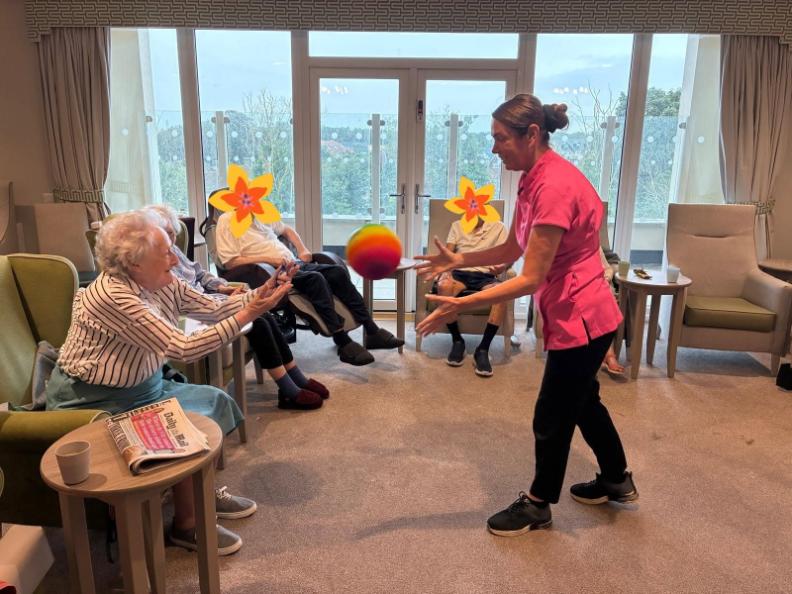
A key part of this approach is encouraging residents to continue enjoying hobbies and interests. Many care homes offer activities such as gardening, arts and crafts, music sessions, reading groups or gentle exercise classes. Gardening, in particular, can provide a sense of purpose and calm, allowing residents to spend time outdoors and stay connected to familiar routines. Other activities may include baking, games, film nights or cultural celebrations, all designed to reflect the interests and preferences of those living there.
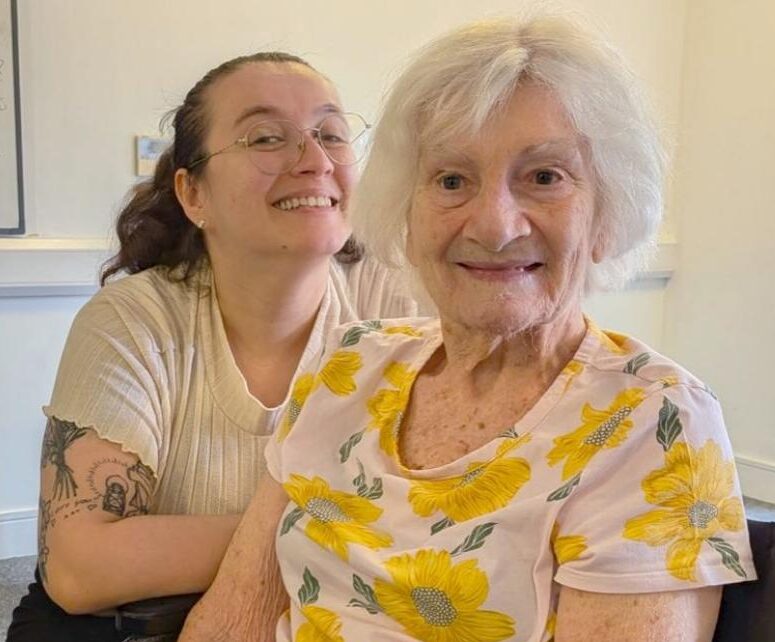
Just as important is the sense of community that care homes create. Shared spaces, group activities and regular social interaction help residents build friendships and feel part of something meaningful. This sense of belonging can have a positive impact on emotional wellbeing, helping to reduce feelings of loneliness and isolation. Residents are also encouraged to maintain connections with family and loved ones, with visits and involvement in care planning playing an important role.
This holistic approach ensures that care addresses the whole person, not just medical needs. Across England, there are over 360,000 people living in care homes, reflecting how widely these services are used and trusted by families. For many, the right care home offers not only support, but also companionship, purpose and a place to truly feel at home.


Supporting Your Loved One Through The Transition
Deciding on care is only part of the journey, because supporting your parent emotionally through the transition is equally important. When continuing conversations about care for elderly parent, reassurance and consistency are key.
Visiting care homes together can help reduce uncertainty, as seeing the environment, meeting staff and experiencing daily life can make the idea feel more familiar and less intimidating. It also provides an opportunity for your parent to share their thoughts and preferences.
Maintaining involvement after the move is just as important. Regular visits, phone calls and participation in care planning help your loved one feel connected and supported.


If you’re reading this and beginning to think about care options for a loved one, you don’t have to navigate these decisions alone. At Sandmere Care Home in Margate, we understand how important companionship, dignity and a real sense of community are to quality of life. With person‑centred care, meaningful activities and emotional support at the heart of what we do, we’re here to provide not just care, but a place where your loved one can continue to feel valued, connected and truly at home.