
When an older person moves into a care home, their needs may change over time. They may initially need support with everyday tasks, then require additional help as their mobility, health or circumstances change. For families, this can be an important consideration when choosing a care home. You may be thinking not only about what support your loved one needs today, but also about what could happen if their circumstances change in the future. Understanding how care planning works can make this process feel clearer and help families ask the right questions.
Why Can Care Needs Change Over Time?
There is no single point at which an older person’s care needs are fixed, as things change over time. Someone may move into residential care because they need help with personal care, preparing meals, moving safely around the home or managing aspects of everyday life. Over time, they may develop additional needs and situations can change.
Changes might follow an illness, an injury or a hospital stay. Mobility may become more difficult or a person may begin to need greater support with medication or personal care. Someone living with dementia may also experience changes in communication, memory or their ability to manage familiar routines.
Their favourite activities, relationships, personal history, preferences and sense of identity remain important. Person-centred care recognises this by looking at the whole individual rather than focusing only on their health needs.
The Care Quality Commission (CQC) states that care should be based on a person's needs and preferences and that assessments should be reviewed regularly and whenever circumstances require it.

What Does Person-Centred Care Mean When Needs Change?
Person-centred care means making sure that support is based on the individual’s needs, wishes and preferences rather than simply focusing on their diagnosis or level of care.
As a resident’s needs change, the amount of support they require may increase, but they should still be encouraged to make their own choices. For example, a resident may need more support with their morning routine, such as help washing, getting dressed or preparing for the day. However, they should still be able to decide what clothes they would like to wear, whether they prefer something comfortable or something more formal, and how they would like to look. This allows them to remain involved in their daily routine and maintain their personal choice and independence. Similarly, they may need assistance when walking but can still decide where they would like to spend their time or what activities they would like to take part in. They may also require more support with eating and drinking while still being able to choose the foods and drinks they prefer.
Person-centred care is about maintaining as much independence, choice and control as possible. Independence does not necessarily mean doing everything alone; it can also mean being involved in decisions and continuing to do the things that are important to the individual. This approach is supported by CQC guidance, which states that care plans should reflect a person’s goals, abilities and preferences and should be reviewed and updated when their needs change.
The Importance of Familiar Routines
Moving into a care home can involve a considerable adjustment. There is a new environment, new people and a different daily routine. Over time, however, familiar surroundings can become an important part of everyday life.
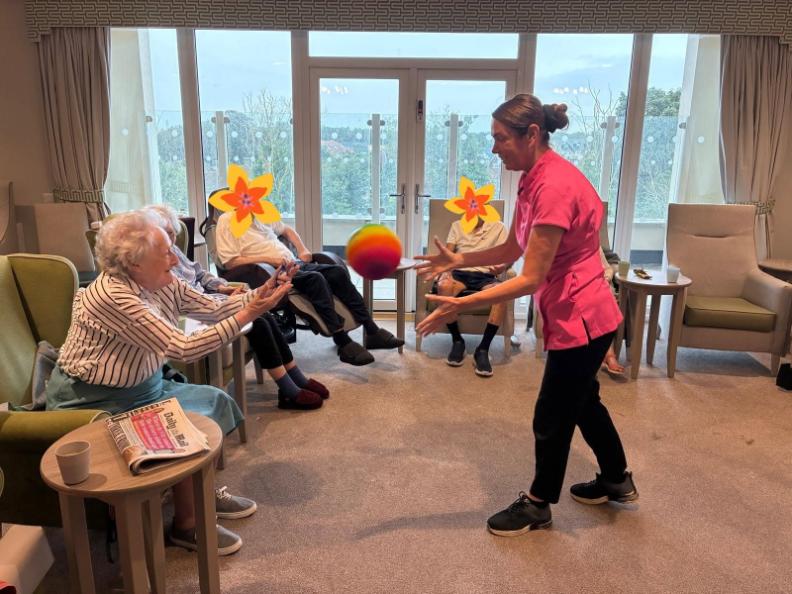
At Sandmere Care Home, residents have access to spaces designed for different aspects of daily life, including quiet lounges, a private garden, a café, cinema and areas for dining and activities. Our home also provides an activities programme and opportunities to spend time within the local community.
These details are not simply about what a care home looks like. Familiar places, regular routines and relationships can help create a sense of belonging. Knowing how someone likes to spend their morning, which hobbies they enjoy or who they particularly enjoy talking to can help the care team provide support that feels personal.
This can be particularly relevant for people living with dementia, where familiar routines and surroundings may provide reassurance. Every person experiences dementia differently, so care should still be adapted to their individual circumstances.
What Happens When Someone Needs More Support?
One of the questions families often have is whether a loved one will need to move again if their care needs increase. There is no universal answer to this as it depends on the person's changing needs and the type of support that the care home can safely provide.
Sandmere provides residential care, nursing care, dementia care and respite care. This means our home can support people with different types of care requirements, although an individual's suitability for a particular service will always depend on their circumstances and assessment.
If a person's needs become more complex, their care should be reviewed. This gives the resident, their family where appropriate and the care team an opportunity to discuss what has changed and whether the existing arrangements remain suitable. A change in care needs should not simply be viewed as a reason to change someone's environment. The focus should first be on understanding what the person now needs and how those needs can be supported safely.
Care Planning Should Be An Ongoing Conversation
A care plan is not something that should be written once and then forgotten. As per CQC guidance, someone's circumstances can change, and their plan needs to be updated accordingly. This could include changes to mobility, communication, nutrition, personal care, medication or emotional wellbeing. It should also record the things that make the person who they are. Their life history, interests, routines and preferences can all help staff understand how best to support them.
In addition, CQC guidance states that people should be involved in planning and reviewing their care as far as possible. Where appropriate, families, carers and advocates can also contribute to discussions. For families, regular communication can provide reassurance. It allows relatives to share information that may help staff understand a person's preferences and notice when something feels different.

Frequently Asked Questions
Can care needs change after someone moves into a care home?
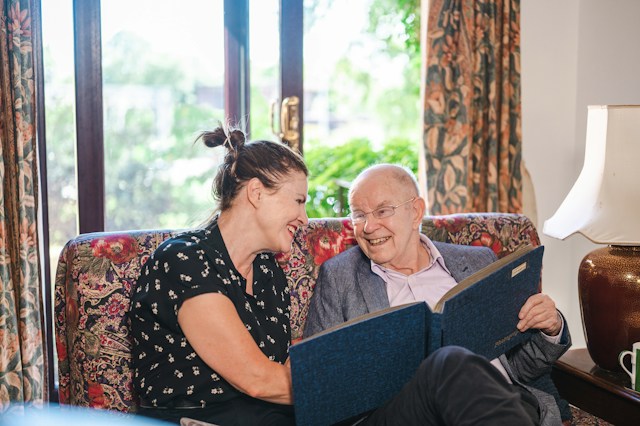
Yes. A person's health, mobility, abilities and preferences can change over time. Care planning should take these changes into account and be reviewed when necessary. Like Jim's care journey at Sandmere explains.
Does needing more care mean someone loses their independence?
No, as independence can mean having control over everyday choices rather than doing everything without support. A person may need more practical assistance while continuing to make decisions about their clothes, meals, activities and daily routine.
Can family members be involved in care planning?
Where appropriate, yes. The resident should be involved in decisions about their care as far as they are able and willing. Families and carers may also contribute information and take part in discussions where appropriate.
Can someone remain in the same care home if their needs become more complex?
This depends on their individual needs and the care the home can safely provide. A review can help establish whether the current arrangements remain appropriate or whether additional support is required.
Supporting People As Their Needs Develop
Care is not necessarily a fixed journey. The support someone needs when they first move into a care home may look different from the support they need months or years later. What should remain consistent is the focus on the person.
At Sandmere Care Home in Margate, care is shaped around individual needs while residents are encouraged to maintain their interests, routines and connections. Our home provides residential, nursing, dementia and respite care, with personalised care planning forming part of our approach.
For families, understanding how a care home responds to changing needs can provide useful reassurance when making a decision. If you would like to learn more about care at Sandmere Care Home in Margate, our team would be happy to speak with you and answer any questions you may have